|
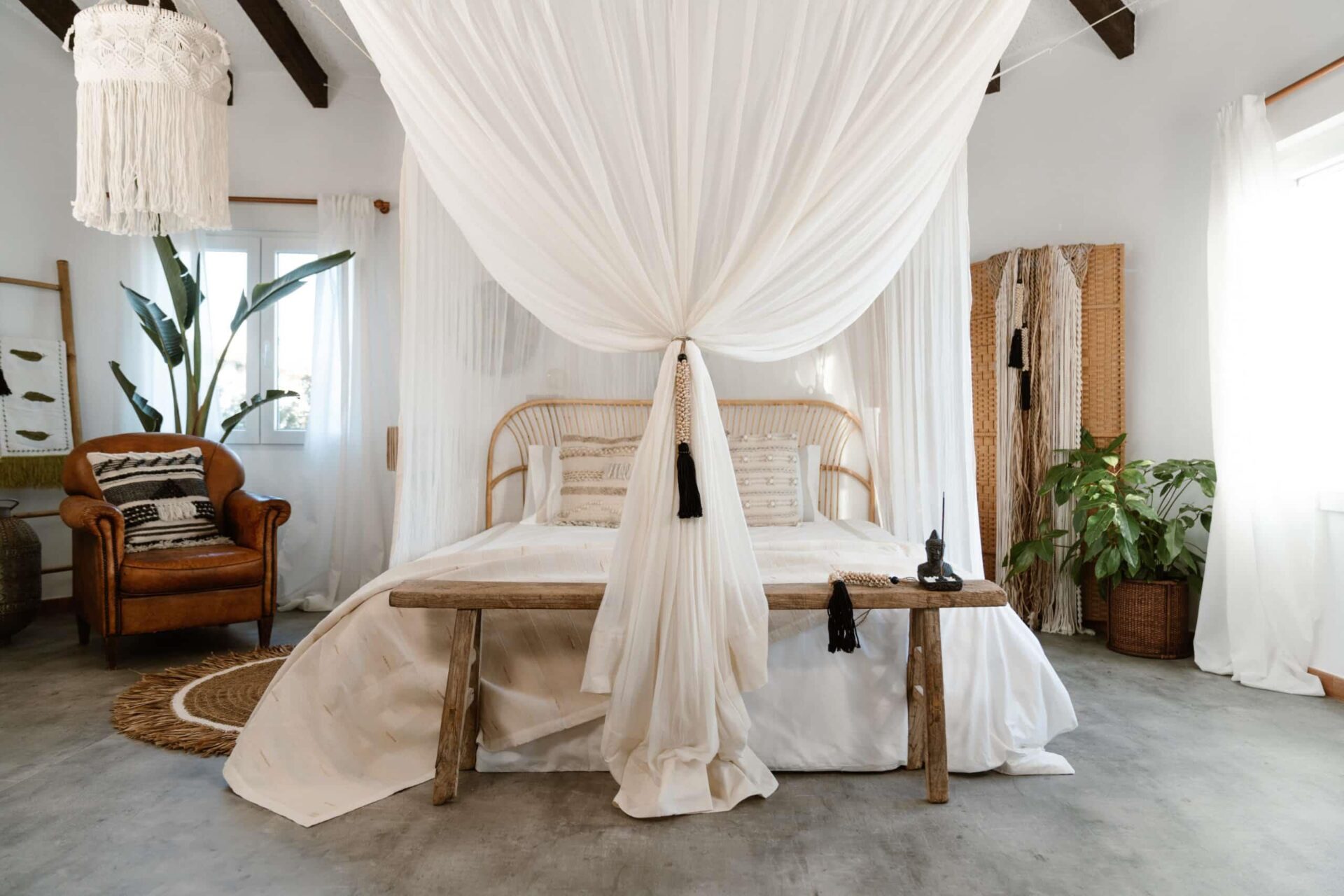
A bedroom should feel restful before you even switch off the light. Yet comfort is not only about a supportive mattress, soft bedding or carefully chosen lighting. In warm climates, during summer months or in homes where windows remain open at night, protection from insects can make just as much difference. A well-designed double bed mosquito net can create a protected sleeping area while also changing the visual character of the room. Instead of treating mosquito protection as a purely practical addition, it can become part of the atmosphere: soft, architectural and intentionally integrated into the space. Why mosquito protection belongs in bedroom designMosquito nets have been used for generations, but their role in modern interiors has developed considerably. A net around a bed creates a physical barrier between the sleeping area and flying insects, without requiring the room itself to be completely closed. That can be particularly useful when natural ventilation is part of the way you sleep. The quality of the experience depends on more than simply having fabric around the bed. Mesh density, dimensions, placement and airflow all matter. A net should provide effective coverage without making the sleeping area feel enclosed or stuffy. It also needs enough space around the mattress so that the fabric does not constantly fall against the person sleeping underneath it. For that reason, choosing a mosquito net is partly a technical decision and partly an interior decision. The right model has to fit the bed, ceiling height and room layout while supporting the visual calm that people generally want from a bedroom. The difference between cotton and polyesterMaterial has a noticeable effect on how a mosquito net looks, hangs and feels. Cotton has a natural softness that works especially well in bedrooms with warm textures, timber, linen and other organic materials. Its slightly heavier drape can give the bed a more intimate and luxurious appearance. Polyester behaves differently. It is generally lighter, more shape-retentive and less prone to creasing. Fine polyester mesh can create a clean silhouette around the bed, making it suitable for interiors where a lighter or more minimal look is preferred. It can also be practical when a mosquito net needs to be moved, stored or handled regularly. Neither material should be chosen on appearance alone. Breathability, mesh construction and durability influence everyday use. High-quality mosquito protection depends on finding a careful balance between openings that are small enough to create an effective barrier and a structure that still allows sufficient airflow. Shape changes the atmosphere of the roomThe geometry of a mosquito net influences more than installation. It determines how the bed is framed within the room. Round models typically hang from a single suspension point and fall outward around the sleeping area. Their shape feels relaxed and flowing, which makes them a natural fit for bedrooms with a softer or bohemian character. They can also be useful when the ceiling does not allow several fixing points. Rectangular and square nets create a more architectural effect. By following the outline of the mattress, they visually establish a room within the room. This can make a large bed feel more defined and can add height to the interior. The straight lines work particularly well with box springs and larger double beds, especially when there is enough space for the fabric to hang freely around all sides. A mosquito net should therefore be considered in relation to the entire room. A beautiful net installed too tightly around the mattress can become inconvenient, while an oversized model in a compact bedroom may overwhelm the space. Installation deserves more attention than it usually getsA carefully selected mosquito net can lose much of its appeal when the installation is rushed. Before drilling or attaching hooks, it helps to look at the bed from above and consider how people enter and leave it. The fabric should be positioned far enough from the mattress to create comfortable access while maintaining full coverage when the net is closed. Ceiling height also affects the result. When suspension points are placed too low, excess fabric can gather heavily on the floor. When they are too high or too widely spaced, the net may become stretched and lose its natural drape. Small adjustments often make a substantial visual difference. Bedrooms with sloping ceilings require additional planning. Rather than forcing a symmetrical arrangement into an asymmetrical room, flexible fixing points can be used to work with the architecture. This approach often produces a more elegant result because the net appears intentionally fitted rather than adapted as an afterthought. Craftsmanship becomes visible in simple productsMosquito nets may look uncomplicated from a distance, but details determine whether they feel disposable or enduring. Seams, reinforced edges, suspension rings and the way different materials meet all influence durability. These elements become even more important in larger nets because more fabric creates additional tension at the fixing points. Nusarah approaches this category from a background in fashion, design and product development. Many of its mosquito nets are produced in small batches in its own atelier in Bali, where cutters, seamstresses and quality controllers work on the finishing by hand. The brand also uses cotton sourced from Java for its natural cotton models and focuses on careful construction rather than anonymous mass production. That philosophy gives a functional object a different place in the home. When materials and finishing are treated as design decisions, mosquito protection can sit naturally alongside considered bedding, furniture and textiles instead of looking like something that has been temporarily added for summer. A calmer bedroom is built from fewer distractionsVisual calm rarely comes from adding more decoration. It usually comes from creating coherence. A mosquito net can support that by giving the bed a clear visual boundary, but the surrounding choices still matter. Neutral bedding, tactile fabrics and restrained accessories allow the shape of the net to remain noticeable without making the room busy. Natural cotton can reinforce a soft, layered interior, while fine polyester can disappear more quietly into a lighter palette. The objective is not to make the net the loudest feature in the room. It is to let it contribute to a sense of shelter. This is also where the idea of protection becomes broader than insect prevention. A well-composed sleeping area can feel psychologically separate from the rest of the home. The fabric creates a subtle enclosure around the place associated with rest, which can make the bed feel more private and deliberate. Responsible production can influence what you chooseInterior products are increasingly judged not only by how they look but also by how they are made, packaged and eventually replaced. Small-batch production can reduce unnecessary stock, while durable construction can extend the useful life of a product. Reusable packaging also has value when a textile needs to be stored between seasons or protected during a move. Nusarah uses reusable cotton storage bags for its mosquito nets and aims to keep presentation and shipping free from plastic. Remaining materials from production are reused where possible, and unsold products are not simply discarded. This approach fits a broader philosophy in which objects should last and materials should be treated with care. For consumers, these details can be worth considering alongside size and style. A mosquito net may be a relatively simple household product, but its material choices, labour and packaging still form part of its environmental footprint. Care helps preserve the shape and qualityA mosquito net spends much of its life hanging vertically, which means dust and everyday room particles will eventually settle on the mesh. Regular airing helps keep the fabric fresh and reduces the need for frequent washing. When cleaning becomes necessary, the care instructions for the specific material should always take priority. Cotton generally benefits from gentle handling, as aggressive washing can affect its drape or dimensions. Fine mesh should also be protected from sharp objects and rough surfaces that could pull individual threads. Storage matters too. A clean, dry net folded into a breathable cotton bag is less likely to collect dust or become damaged between seasons. Before storing it, all parts should be completely dry. When it is installed again, checking the suspension points and spreading the fabric carefully helps restore the intended shape. The bedroom can be practical without looking practicalFunctional products often enter the home because they solve an immediate problem. The most successful ones remain because they also improve the experience of the room. Mosquito protection is a good example. It can reduce unwanted insects around the bed, support open-window sleeping and add a distinct sense of enclosure without introducing complicated technology. When proportion, material and installation are considered together, the mosquito net stops feeling like a seasonal necessity and becomes part of the bedroom architecture. A soft canopy, a clean rectangular frame or a naturally draped cotton net can each create a different mood, while serving the same fundamental purpose. That combination of protection and atmosphere is especially relevant in a bedroom, where comfort is influenced by both physical conditions and visual surroundings. Thoughtful choices in mesh, craftsmanship, airflow and placement allow a practical object to become something quieter: a layer of protection that belongs in the room rather than interrupts it. |